Curls to Courtrooms: The Legal Landscape of Hair Straightener Lawsuits

The pursuit of sleek, straight hair has led to the widespread use of hair straighteners, a staple in many beauty routines. However, behind the pursuit of beauty lies a legal landscape marked by concerns over product safety and potential harm. This article explores the intricacies of hair straightener lawsuits, delving into the issues surrounding product safety, legal challenges, and the efforts to hold manufacturers accountable.

Curls to Courtrooms: The Legal Landscape of Hair Straightener Lawsuits

The pursuit of sleek, straight hair has led to the widespread use of hair straighteners, a staple in many beauty routines. However, behind the pursuit of beauty lies a legal landscape marked by concerns over product safety and potential harm. This article explores the intricacies of hair straightener lawsuits, delving into the issues surrounding product safety, legal challenges, and the efforts to hold manufacturers accountable.

1. The Popularity of Hair Straighteners:

Hair straighteners, also known as flat irons, have become synonymous with achieving smooth, straight hair. As these styling tools gained popularity, so did reports of product-related incidents, ranging from electrical malfunctions to cases of burns and hair damage. This has given rise to a wave of legal action against manufacturers and distributors.

2. Product Safety and Regulatory Oversight:

The safety of hair straighteners hinges on various factors, including the quality of materials used, temperature control mechanisms, and compliance with safety standards. Regulatory bodies, such as the Consumer Product Safety Commission (CPSC), set guidelines to ensure products meet safety standards. However, hair straightener lawsuits often bring into question whether manufacturers have adequately adhered to these regulations.

3. Types of Hair Straightener Lawsuits:

Hair straightener lawsuits can take various forms, addressing issues such as product defects, design flaws, inadequate warnings, and failure to meet safety standards. Common allegations include electrical malfunctions leading to fires, insufficient insulation causing burns, and the release of harmful chemicals during use.

4. Product Defects and Design Flaws:

One key focus of hair straightener lawsuits revolves around product defects and design flaws. Plaintiffs argue that manufacturers failed to design products that are safe for their intended use. This may include issues with cord insulation, heating elements, or temperature control mechanisms. Establishing that a defect or design flaw directly caused harm is central to the success of such lawsuits.

5. Inadequate Warnings and Instructions:

Manufacturers have a responsibility to provide clear warnings and instructions for the safe use of their products. In some cases, lawsuits allege that insufficient warnings or unclear instructions contributed to accidents or injuries. This may include warnings about potential burns, proper usage guidelines, and information about the materials used in the product.

6. Class Action Lawsuits:

Hair straightener lawsuits often take the form of class actions, where a group of individuals who have experienced similar issues join forces to file a collective legal action against a manufacturer. Class actions streamline the legal process, allowing individuals with similar claims to seek compensation jointly.

7. The Role of Expert Testimony:

Hair straightener lawsuits frequently involve the testimony of experts, such as engineers or safety specialists, who can provide insights into the technical aspects of the product and its potential hazards. Expert testimony is crucial in establishing a connection between the product and the harm suffered by the plaintiff.

8. Settlements and Regulatory Changes:

Some hair straightener lawsuits are resolved through settlements between the parties involved. These settlements may include compensation for affected individuals and, in some cases, changes to product design or additional safety measures. Additionally, successful lawsuits may prompt regulatory bodies to reevaluate safety standards for hair straighteners.

The legal landscape of hair straightener lawsuits underscores the importance of product safety and accountability within the beauty industry. As consumers seek to balance beauty with safety, manufacturers are compelled to uphold stringent quality standards. The outcomes of these lawsuits not only provide compensation for affected individuals but also contribute to a safer market for hair styling products, emphasizing the need for transparency, adherence to regulations, and the prioritization of consumer well-being in the pursuit of beauty.
img
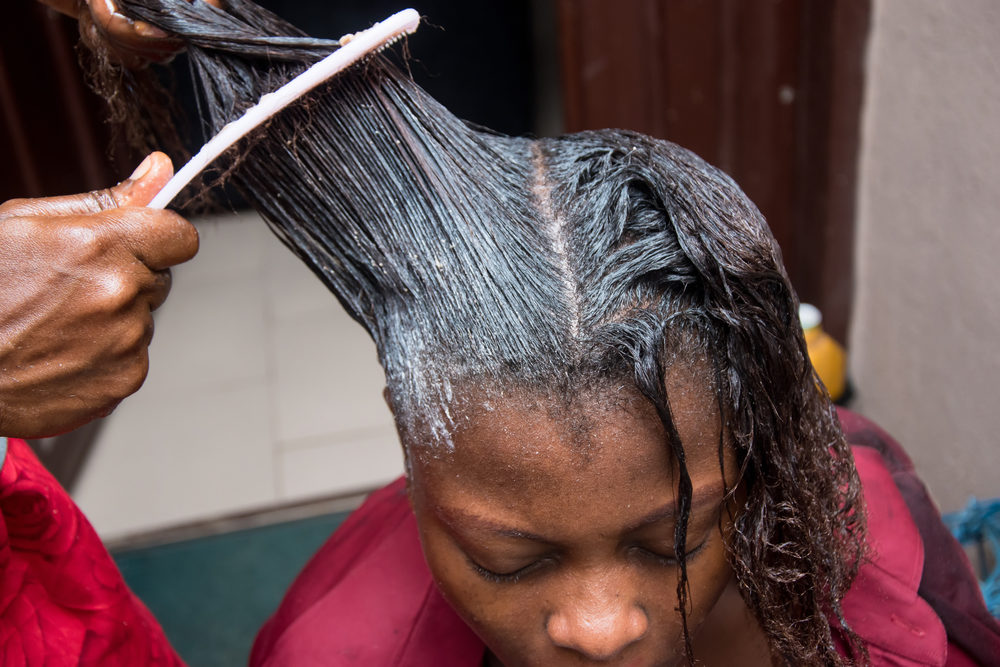
Beyond the Mirror: The Unseen Legal Struggles of Hair Straightener/Relaxer Users

The pursuit of a sleek, manageable hairstyle often leads individuals to rely on hair straighteners and relaxers. However, behind the allure of glossy locks lies an issue gaining prominence in recent times – the legal struggles faced by users of these products. This article delves into the unseen legal complexities surrounding hair straighteners and relaxers, exploring the challenges users encounter and the evolving landscape of product liability.

Beyond the Mirror: The Unseen Legal Struggles of Hair Straightener/Relaxer Users

The pursuit of a sleek, manageable hairstyle often leads individuals to rely on hair straighteners and relaxers. However, behind the allure of glossy locks lies an issue gaining prominence in recent times – the legal struggles faced by users of these products. This article delves into the unseen legal complexities surrounding hair straighteners and relaxers, exploring the challenges users encounter and the evolving landscape of product liability.

The Unspoken Dangers:

Hair straighteners and relaxers are popular beauty products, promising users the transformation of unruly curls into smooth, straight styles. However, some users have experienced adverse effects, ranging from hair damage and breakage to more severe concerns such as scalp irritation and chemical burns. These issues have given rise to a wave of legal challenges, as consumers seek accountability from manufacturers for the alleged harm caused by these products.

Product Liability and Consumer Rights:

Inadequate Warnings and Instructions:

Users argue that manufacturers have failed to provide sufficient warnings and instructions regarding the proper application and potential risks of these products. The lack of clear guidance has become a focal point in legal battles, as users claim they were unaware of the potential harm associated with misuse.

Misleading Marketing Claims:

Some legal struggles revolve around the alleged misleading marketing of hair straighteners and relaxers. Users argue that manufacturers exaggerate the benefits while downplaying the risks, leading them to believe the products are safe for use when, in fact, they may pose significant health hazards.

Product Defects:

In certain cases, legal actions stem from allegations of product defects. Users contend that the design or formulation of the hair straighteners and relaxers is flawed, contributing to the reported adverse effects. Establishing product defects is a complex legal challenge, requiring in-depth analysis and expert testimony.

The Role of Regulatory Oversight:

While regulatory bodies play a crucial role in ensuring product safety, the oversight of cosmetic and personal care products can be less stringent compared to pharmaceuticals or medical devices. This has sparked debates about the need for enhanced regulations and increased transparency in the beauty industry to protect consumers from potential harm.

The Evolving Legal Landscape:

Class Action Lawsuits:

Users dissatisfied with the effects of hair straighteners and relaxers have increasingly turned to class action lawsuits. These collective legal actions consolidate individual complaints, allowing users to seek compensation jointly and amplify their voices against manufacturers.

Industry Accountability:

The legal struggles of hair straightener and relaxer users have prompted a broader conversation about accountability within the beauty industry. Calls for increased transparency, standardized testing procedures, and clearer labeling have gained momentum as users demand safer products.

Conclusion:

Beyond the mirror lies a realm of legal challenges faced by hair straightener and relaxer users, shedding light on the need for comprehensive reforms in the beauty industry. As consumers become more informed about their rights, manufacturers must navigate an evolving legal landscape that prioritizes transparency, safety, and accountability. The unseen legal struggles of hair straightener and relaxer users underscore the importance of vigilance in protecting consumer well-being and the ongoing efforts to shape a safer, more accountable beauty industry.

See If You’re Eligible